Buy interaxion.eu ?
We are moving the project
interaxion.eu .
Are you interested in purchasing the domain
interaxion.eu ?
domain@kv-gmbh.de · 0541-91531010
Buy interaxion.eu ?
What was the war of technology in the First World War?
The war of technology in the First World War refers to the significant advancements in military technology and weaponry that were developed and utilized during the conflict. This included the use of machine guns, tanks, airplanes, and chemical weapons, which transformed the nature of warfare and led to unprecedented levels of destruction and casualties. Both sides sought to gain an advantage through technological innovation, leading to a constant arms race and the development of new tactics and strategies to counter these advancements. Ultimately, the war of technology played a crucial role in shaping the outcome of the First World War and influencing the future of military technology. **
What was the weapon technology in the Vietnam War?
The weapon technology used in the Vietnam War included a wide range of firearms such as rifles, machine guns, and pistols. The war also saw the use of advanced artillery and explosives, including grenades, mortars, and landmines. Helicopters played a significant role in the conflict, providing air support, troop transport, and medical evacuation. Additionally, the Vietnam War saw the introduction of new technologies such as night vision devices and improved body armor. **
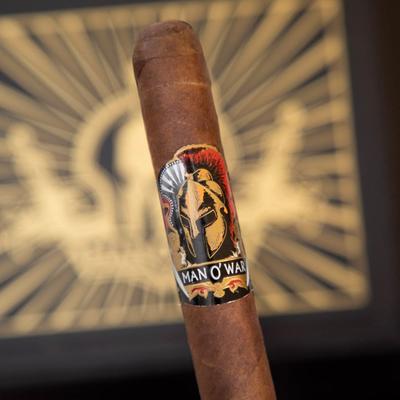

Similar search terms for War
Top-Angebote
Products related to War:

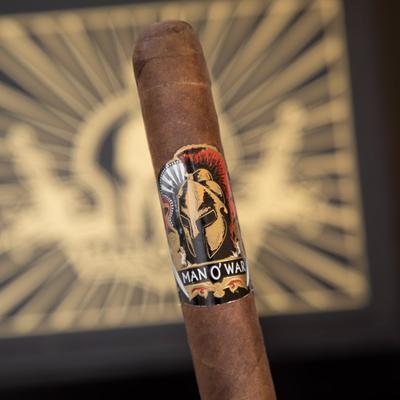
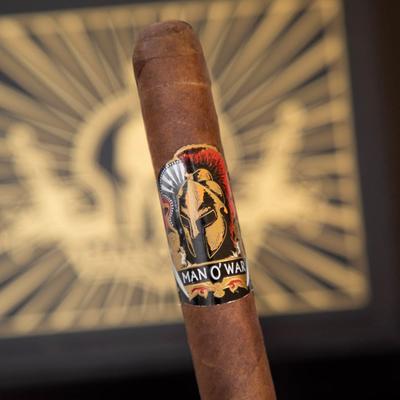
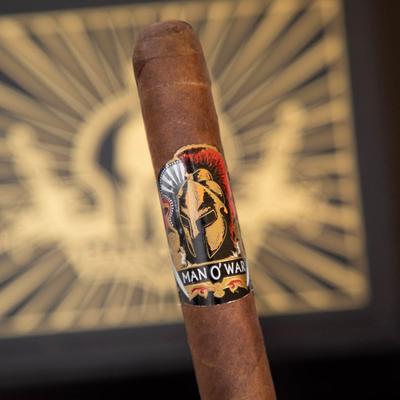
-
Can you provide a quote about technology in World War II?
"Technological advancements played a crucial role in shaping the outcome of World War II. From the development of radar and encryption machines to the creation of the atomic bomb, technology revolutionized warfare during this period. As Winston Churchill famously said, 'The empires of the future are the empires of the mind.'" **
-
Was the Korean War a proxy war or a civil war?
The Korean War was a proxy war, as it was fought between the communist-backed North Korea and the capitalist-backed South Korea, with support and involvement from other major powers such as the United States, China, and the Soviet Union. The conflict was not solely an internal struggle within Korea, but rather a larger geopolitical struggle between the two opposing ideologies of communism and capitalism. The involvement of outside powers and the global implications of the war make it more accurately described as a proxy war rather than a civil war. **
-
How can social communication and interaction be described?
Social communication and interaction can be described as the exchange of information, ideas, and emotions between individuals through verbal and non-verbal means. It involves the use of language, gestures, facial expressions, and body language to convey messages and establish connections with others. Social communication and interaction play a crucial role in building relationships, fostering understanding, and creating a sense of belonging within a community. It is a dynamic process that involves active listening, empathy, and the ability to adapt to different social contexts and cultural norms. **
-
What else can be learned besides programming and networking technology?
Besides programming and networking technology, individuals can also learn important skills such as problem-solving, critical thinking, communication, and teamwork. These skills are essential in any professional setting and can help individuals succeed in their careers. Additionally, individuals can also learn about cybersecurity, data analysis, cloud computing, and other emerging technologies to stay competitive in the ever-evolving tech industry. Continuous learning and development in these areas can open up new opportunities and help individuals advance in their careers. **
What is sensor technology and communication?
Sensor technology refers to the use of sensors to detect and measure physical properties such as temperature, pressure, light, and motion. These sensors can then communicate this information to other devices or systems through various communication methods such as wired connections, wireless signals, or the internet. This allows for real-time monitoring and control of physical environments, enabling applications in areas such as smart homes, industrial automation, healthcare, and environmental monitoring. Overall, sensor technology and communication play a crucial role in enabling the collection and transmission of data for various applications, ultimately leading to improved efficiency, safety, and convenience. **
Which communication tools were used by the USA in the Second World War?
During the Second World War, the USA used a variety of communication tools to coordinate military operations and disseminate information. These tools included radio communication, telegraphs, telephones, and carrier pigeons. Radio communication was particularly important for coordinating troops and relaying important messages, while telegraphs and telephones were used for long-distance communication. Carrier pigeons were also used to deliver messages in areas where traditional communication methods were not feasible. Overall, a combination of these communication tools helped the USA effectively communicate and coordinate their military efforts during the war. **
Top-Angebote
Products related to War:
-
What was the war of technology in the First World War?
The war of technology in the First World War refers to the significant advancements in military technology and weaponry that were developed and utilized during the conflict. This included the use of machine guns, tanks, airplanes, and chemical weapons, which transformed the nature of warfare and led to unprecedented levels of destruction and casualties. Both sides sought to gain an advantage through technological innovation, leading to a constant arms race and the development of new tactics and strategies to counter these advancements. Ultimately, the war of technology played a crucial role in shaping the outcome of the First World War and influencing the future of military technology. **
-
What was the weapon technology in the Vietnam War?
The weapon technology used in the Vietnam War included a wide range of firearms such as rifles, machine guns, and pistols. The war also saw the use of advanced artillery and explosives, including grenades, mortars, and landmines. Helicopters played a significant role in the conflict, providing air support, troop transport, and medical evacuation. Additionally, the Vietnam War saw the introduction of new technologies such as night vision devices and improved body armor. **
-
Can you provide a quote about technology in World War II?
"Technological advancements played a crucial role in shaping the outcome of World War II. From the development of radar and encryption machines to the creation of the atomic bomb, technology revolutionized warfare during this period. As Winston Churchill famously said, 'The empires of the future are the empires of the mind.'" **
-
Was the Korean War a proxy war or a civil war?
The Korean War was a proxy war, as it was fought between the communist-backed North Korea and the capitalist-backed South Korea, with support and involvement from other major powers such as the United States, China, and the Soviet Union. The conflict was not solely an internal struggle within Korea, but rather a larger geopolitical struggle between the two opposing ideologies of communism and capitalism. The involvement of outside powers and the global implications of the war make it more accurately described as a proxy war rather than a civil war. **
Similar search terms for War
-
How can social communication and interaction be described?
Social communication and interaction can be described as the exchange of information, ideas, and emotions between individuals through verbal and non-verbal means. It involves the use of language, gestures, facial expressions, and body language to convey messages and establish connections with others. Social communication and interaction play a crucial role in building relationships, fostering understanding, and creating a sense of belonging within a community. It is a dynamic process that involves active listening, empathy, and the ability to adapt to different social contexts and cultural norms. **
-
What else can be learned besides programming and networking technology?
Besides programming and networking technology, individuals can also learn important skills such as problem-solving, critical thinking, communication, and teamwork. These skills are essential in any professional setting and can help individuals succeed in their careers. Additionally, individuals can also learn about cybersecurity, data analysis, cloud computing, and other emerging technologies to stay competitive in the ever-evolving tech industry. Continuous learning and development in these areas can open up new opportunities and help individuals advance in their careers. **
-
What is sensor technology and communication?
Sensor technology refers to the use of sensors to detect and measure physical properties such as temperature, pressure, light, and motion. These sensors can then communicate this information to other devices or systems through various communication methods such as wired connections, wireless signals, or the internet. This allows for real-time monitoring and control of physical environments, enabling applications in areas such as smart homes, industrial automation, healthcare, and environmental monitoring. Overall, sensor technology and communication play a crucial role in enabling the collection and transmission of data for various applications, ultimately leading to improved efficiency, safety, and convenience. **
-
Which communication tools were used by the USA in the Second World War?
During the Second World War, the USA used a variety of communication tools to coordinate military operations and disseminate information. These tools included radio communication, telegraphs, telephones, and carrier pigeons. Radio communication was particularly important for coordinating troops and relaying important messages, while telegraphs and telephones were used for long-distance communication. Carrier pigeons were also used to deliver messages in areas where traditional communication methods were not feasible. Overall, a combination of these communication tools helped the USA effectively communicate and coordinate their military efforts during the war. **
* All prices are inclusive of VAT and, if applicable, plus shipping costs. The offer information is based on the details provided by the respective shop and is updated through automated processes. Real-time updates do not occur, so deviations can occur in individual cases. ** Note: Parts of this content were created by AI.