Buy interaxion.eu ?
We are moving the project
interaxion.eu .
Are you interested in purchasing the domain
interaxion.eu ?
domain@kv-gmbh.de · 0541-91531010
Buy interaxion.eu ?
What is the purpose of radical bromination?
The purpose of radical bromination is to introduce a bromine atom into a molecule by using a radical mechanism. This reaction is commonly used in organic chemistry to selectively substitute a hydrogen atom with a bromine atom. Radical bromination can be used to synthesize various brominated compounds, which can have different properties and reactivities compared to their non-brominated counterparts. This method is particularly useful in the synthesis of pharmaceuticals, agrochemicals, and materials science. **
How is the bromination of ethane carried out?
The bromination of ethane is carried out by reacting ethane with bromine gas in the presence of a catalyst such as iron or aluminum. The reaction takes place at room temperature and atmospheric pressure. The bromine molecule breaks apart and adds to the carbon-carbon double bond in ethane, resulting in the formation of 1,2-dibromoethane. This reaction is an example of an addition reaction, where the bromine atoms add across the double bond of ethane. **


Similar search terms for Bromination
Top-Angebote
Products related to Bromination:
-
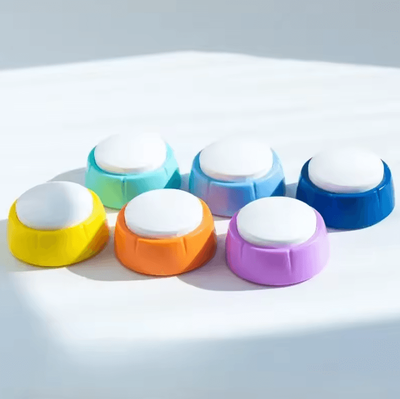
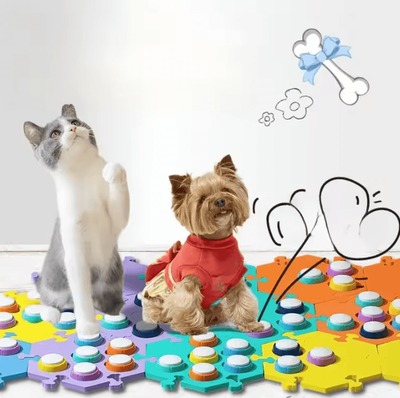
Inspire Curations TalkPaws Dog Communication Buttons For Pet Training & Interaction with Mats 9 PiecesStrengthen the bond with your pet through a fun and engaging way to communicate. These recordable dog communication buttons allow dogs and cats to associate words, actions, and needs with simple button presses, helping create interactive training...155,50 $*Shipping: 0,00 $Secure redirect to the provider
-
Inspire Curations TalkPaws Dog Communication Buttons For Pet Training & Interaction only Buttons 8 PiecesStrengthen the bond with your pet through a fun and engaging way to communicate. These recordable dog communication buttons allow dogs and cats to associate words, actions, and needs with simple button presses, helping create interactive training...140,50 $*Shipping: 0,00 $Secure redirect to the provider
-
Inspire Curations TalkPaws Dog Communication Buttons For Pet Training & Interaction with Mats 6 PiecesStrengthen the bond with your pet through a fun and engaging way to communicate. These recordable dog communication buttons allow dogs and cats to associate words, actions, and needs with simple button presses, helping create interactive training...145,50 $*Shipping: 0,00 $Secure redirect to the provider


-
How is the bromination of benzene carried out?
The bromination of benzene is carried out by using a Lewis acid catalyst, typically iron(III) bromide (FeBr3), in the presence of a bromine source such as bromine (Br2) or a bromine donor like N-bromosuccinimide (NBS). The reaction takes place at room temperature or slightly elevated temperatures and does not require the use of a strong electrophile due to the high electron density of the benzene ring. The Lewis acid catalyst helps to polarize the bromine molecule, making it more reactive towards the benzene ring, leading to the substitution of a hydrogen atom with a bromine atom. **
-
How is the bromination of hexene carried out?
The bromination of hexene is typically carried out by adding elemental bromine (Br2) to a solution of hexene in a non-reactive solvent, such as carbon tetrachloride or dichloromethane. The reaction is usually carried out at room temperature or slightly below, and the addition of a small amount of a catalyst, such as a Lewis acid like aluminum bromide, may be used to facilitate the reaction. The bromine molecule adds across the carbon-carbon double bond of the hexene, resulting in the formation of a dibromoalkane product. The reaction is typically carried out under controlled conditions to ensure the safety and efficiency of the process. **
-
What products are formed during the bromination of ethane?
During the bromination of ethane, the products formed are bromoethane (C2H5Br) and hydrogen bromide (HBr). The reaction involves the substitution of a hydrogen atom in ethane with a bromine atom, resulting in the formation of bromoethane. Additionally, hydrogen bromide is also produced as a byproduct of the reaction. **
-
What is the experiment for the bromination of phenol?
The experiment for the bromination of phenol involves adding bromine water dropwise to a solution of phenol in an organic solvent, such as dichloromethane. The reaction is typically carried out at room temperature with stirring. The bromine water will react with phenol to form 2,4,6-tribromophenol, which can be isolated and purified by techniques such as extraction and recrystallization. The progress of the reaction can be monitored by observing the color change from red-brown to colorless as the bromine is consumed. **

What products are formed in the bromination of ethane?
In the bromination of ethane, the primary products formed are bromoethane (ethyl bromide) and hydrogen bromide. The reaction involves the substitution of a hydrogen atom in ethane with a bromine atom, resulting in the formation of bromoethane. Additionally, hydrogen bromide is also produced as a byproduct of the reaction. **
What is the mesomerism of the bromination of benzene?
The bromination of benzene involves the substitution of a hydrogen atom on the benzene ring with a bromine atom. This process occurs through an electrophilic aromatic substitution mechanism, where the bromine molecule acts as an electrophile. The mesomeric effect in this reaction refers to the delocalization of electrons within the benzene ring, stabilizing the intermediate carbocation formed during the reaction. This delocalization is facilitated by the resonance structures of the benzene ring, where pi electrons are shared among all carbon atoms in the ring, leading to increased stability. **
Top-Angebote
Products related to Bromination:
-
Inspire Curations TalkPaws Dog Communication Buttons For Pet Training & Interaction with Mats 8 PiecesStrengthen the bond with your pet through a fun and engaging way to communicate. These recordable dog communication buttons allow dogs and cats to associate words, actions, and needs with simple button presses, helping create interactive training...153,00 $*Shipping: 0,00 $Secure redirect to the provider
-
Uplifted Finds Predatory Engagement Wrestling Puppet Hub Predatory Engagement Wrestling Puppet HubTransform interactive play with the PredatoryEngagement Puppet, a professionalgrade interaction module engineered with manualsimulation logic. This highutility tool features a reinforced plush architecture and poseable limbs, specifically designed...85,97 $*Shipping: 0,00 $Secure redirect to the provider
-
Inspire Curations TalkPaws Dog Communication Buttons For Pet Training & Interaction with Mats 9 PiecesStrengthen the bond with your pet through a fun and engaging way to communicate. These recordable dog communication buttons allow dogs and cats to associate words, actions, and needs with simple button presses, helping create interactive training...155,50 $*Shipping: 0,00 $Secure redirect to the provider
-
What is the purpose of radical bromination?
The purpose of radical bromination is to introduce a bromine atom into a molecule by using a radical mechanism. This reaction is commonly used in organic chemistry to selectively substitute a hydrogen atom with a bromine atom. Radical bromination can be used to synthesize various brominated compounds, which can have different properties and reactivities compared to their non-brominated counterparts. This method is particularly useful in the synthesis of pharmaceuticals, agrochemicals, and materials science. **
-
How is the bromination of ethane carried out?
The bromination of ethane is carried out by reacting ethane with bromine gas in the presence of a catalyst such as iron or aluminum. The reaction takes place at room temperature and atmospheric pressure. The bromine molecule breaks apart and adds to the carbon-carbon double bond in ethane, resulting in the formation of 1,2-dibromoethane. This reaction is an example of an addition reaction, where the bromine atoms add across the double bond of ethane. **
-
How is the bromination of benzene carried out?
The bromination of benzene is carried out by using a Lewis acid catalyst, typically iron(III) bromide (FeBr3), in the presence of a bromine source such as bromine (Br2) or a bromine donor like N-bromosuccinimide (NBS). The reaction takes place at room temperature or slightly elevated temperatures and does not require the use of a strong electrophile due to the high electron density of the benzene ring. The Lewis acid catalyst helps to polarize the bromine molecule, making it more reactive towards the benzene ring, leading to the substitution of a hydrogen atom with a bromine atom. **
-
How is the bromination of hexene carried out?
The bromination of hexene is typically carried out by adding elemental bromine (Br2) to a solution of hexene in a non-reactive solvent, such as carbon tetrachloride or dichloromethane. The reaction is usually carried out at room temperature or slightly below, and the addition of a small amount of a catalyst, such as a Lewis acid like aluminum bromide, may be used to facilitate the reaction. The bromine molecule adds across the carbon-carbon double bond of the hexene, resulting in the formation of a dibromoalkane product. The reaction is typically carried out under controlled conditions to ensure the safety and efficiency of the process. **
Similar search terms for Bromination
-
Inspire Curations TalkPaws Dog Communication Buttons For Pet Training & Interaction only Buttons 8 PiecesStrengthen the bond with your pet through a fun and engaging way to communicate. These recordable dog communication buttons allow dogs and cats to associate words, actions, and needs with simple button presses, helping create interactive training...140,50 $*Shipping: 0,00 $Secure redirect to the provider
-
Inspire Curations TalkPaws Dog Communication Buttons For Pet Training & Interaction with Mats 6 PiecesStrengthen the bond with your pet through a fun and engaging way to communicate. These recordable dog communication buttons allow dogs and cats to associate words, actions, and needs with simple button presses, helping create interactive training...145,50 $*Shipping: 0,00 $Secure redirect to the provider
-
Inspire Curations TalkPaws Dog Communication Buttons For Pet Training & Interaction with Mats 5 PiecesStrengthen the bond with your pet through a fun and engaging way to communicate. These recordable dog communication buttons allow dogs and cats to associate words, actions, and needs with simple button presses, helping create interactive training...140,50 $*Shipping: 0,00 $Secure redirect to the provider
-
Inspire Curations TalkPaws Dog Communication Buttons For Pet Training & Interaction only Buttons 6 PiecesStrengthen the bond with your pet through a fun and engaging way to communicate. These recordable dog communication buttons allow dogs and cats to associate words, actions, and needs with simple button presses, helping create interactive training...135,00 $*Shipping: 0,00 $Secure redirect to the provider
-
What products are formed during the bromination of ethane?
During the bromination of ethane, the products formed are bromoethane (C2H5Br) and hydrogen bromide (HBr). The reaction involves the substitution of a hydrogen atom in ethane with a bromine atom, resulting in the formation of bromoethane. Additionally, hydrogen bromide is also produced as a byproduct of the reaction. **
-
What is the experiment for the bromination of phenol?
The experiment for the bromination of phenol involves adding bromine water dropwise to a solution of phenol in an organic solvent, such as dichloromethane. The reaction is typically carried out at room temperature with stirring. The bromine water will react with phenol to form 2,4,6-tribromophenol, which can be isolated and purified by techniques such as extraction and recrystallization. The progress of the reaction can be monitored by observing the color change from red-brown to colorless as the bromine is consumed. **
-
What products are formed in the bromination of ethane?
In the bromination of ethane, the primary products formed are bromoethane (ethyl bromide) and hydrogen bromide. The reaction involves the substitution of a hydrogen atom in ethane with a bromine atom, resulting in the formation of bromoethane. Additionally, hydrogen bromide is also produced as a byproduct of the reaction. **
-
What is the mesomerism of the bromination of benzene?
The bromination of benzene involves the substitution of a hydrogen atom on the benzene ring with a bromine atom. This process occurs through an electrophilic aromatic substitution mechanism, where the bromine molecule acts as an electrophile. The mesomeric effect in this reaction refers to the delocalization of electrons within the benzene ring, stabilizing the intermediate carbocation formed during the reaction. This delocalization is facilitated by the resonance structures of the benzene ring, where pi electrons are shared among all carbon atoms in the ring, leading to increased stability. **
* All prices are inclusive of VAT and, if applicable, plus shipping costs. The offer information is based on the details provided by the respective shop and is updated through automated processes. Real-time updates do not occur, so deviations can occur in individual cases. ** Note: Parts of this content were created by AI.