Buy interaxion.eu ?
We are moving the project
interaxion.eu .
Are you interested in purchasing the domain
interaxion.eu ?
domain@kv-gmbh.de · 0541-91531010
Buy interaxion.eu ?
What is the difference between the Arctic P14 PWM and the Arctic Bionix P140 PWM?
The Arctic P14 PWM is a standard case fan designed for efficient cooling with a maximum speed of 1700 RPM, while the Arctic Bionix P140 PWM is a high-performance fan with a maximum speed of 2000 RPM. The Bionix P140 PWM features a unique design with optimized fan blades and a motor for improved airflow and reduced noise levels compared to the Arctic P14 PWM. Additionally, the Bionix P140 PWM comes with a 10-year warranty, highlighting its durability and quality. **
How can social communication and interaction be described?
Social communication and interaction can be described as the exchange of information, ideas, and emotions between individuals through verbal and non-verbal means. It involves the use of language, gestures, facial expressions, and body language to convey messages and establish connections with others. Social communication and interaction play a crucial role in building relationships, fostering understanding, and creating a sense of belonging within a community. It is a dynamic process that involves active listening, empathy, and the ability to adapt to different social contexts and cultural norms. **


Similar search terms for P14
Top-Angebote
Products related to P14:
-
Arctic P14 140 mm Pressure-optimised PC Case Fan - Black, 5 PackThe P14 fan features completely redesigned fan blades and is optimised for high static pressure. Thus, the P14 is especially effective when used on heatsinks and with higher air resistance.28,49 £*Shipping: 0,00 £Secure redirect to the provider
-
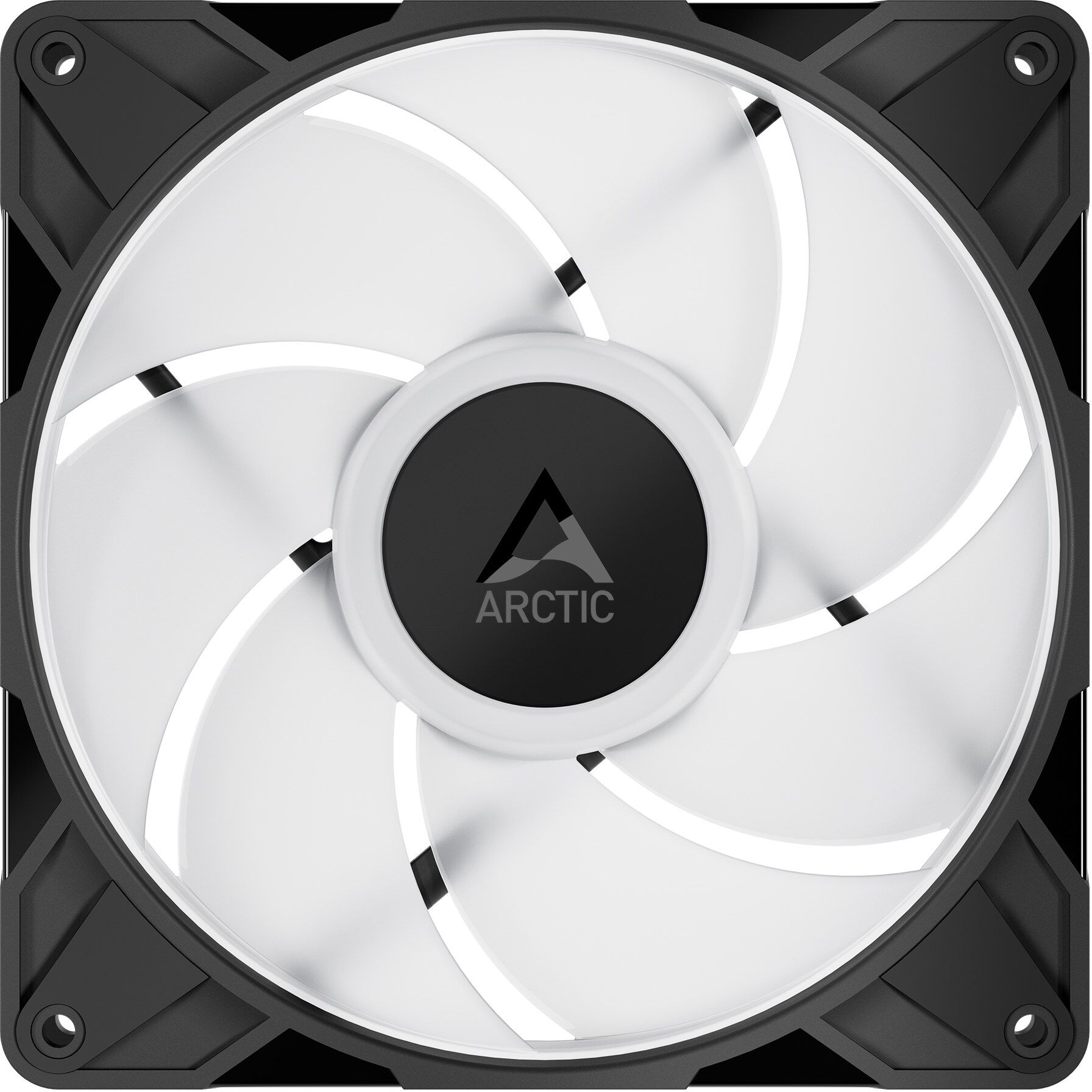
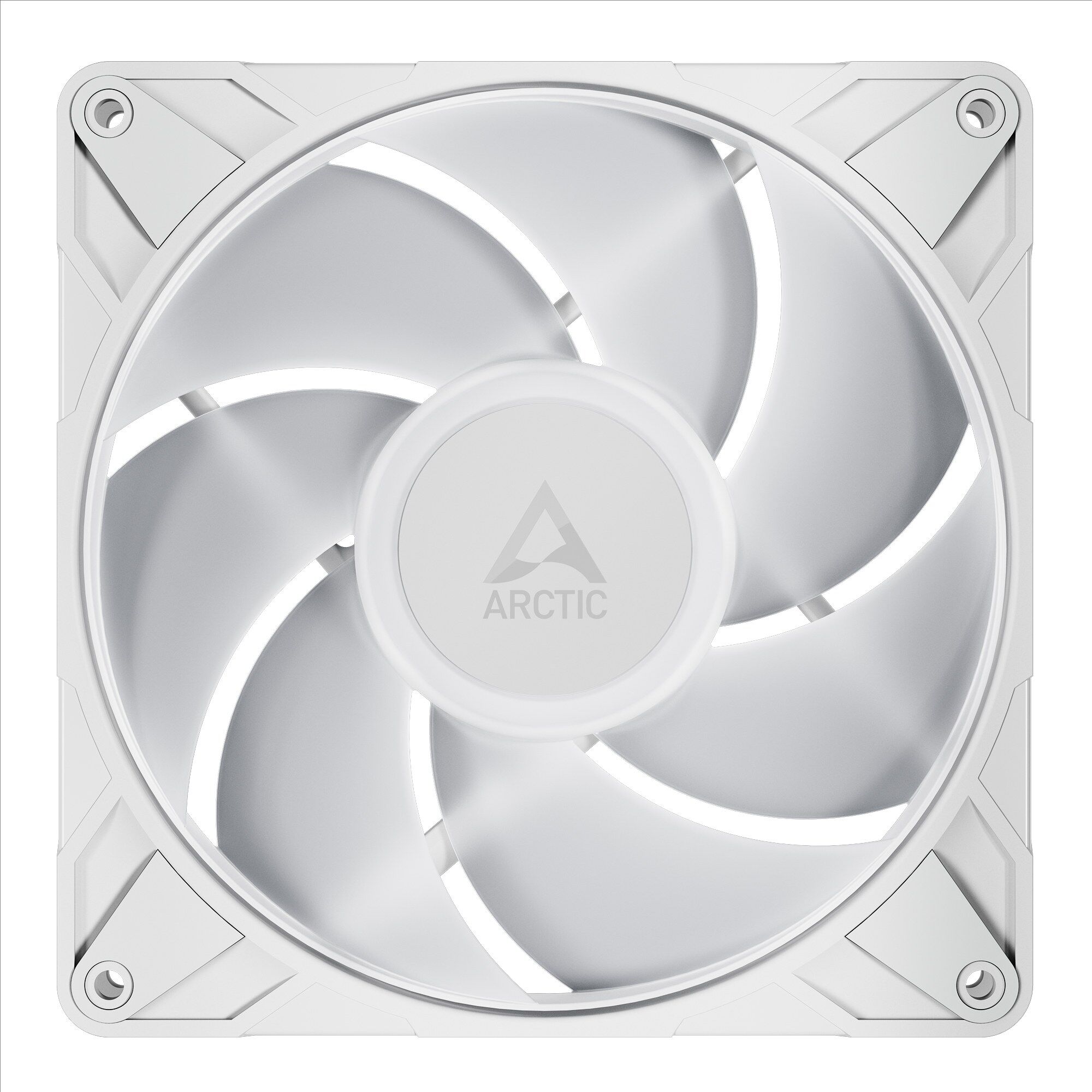
Arctic P14 Pro PST (White) 140 mm PWM Fan with Cable SplitterARCTIC P14 Pro PST (White) 140 mm PWM Fan with Cable Splitter. Type: Fan, Fan diameter: 14 cm, Rotational speed (min): 400 RPM, Rotational speed (max): 2500 RPM, Airflow: 186 m³/h, Maximum air pressure: 5.2 mmH2O, Bearing type: Fluid Dynamic Bearing (FDB). Product colour: White14,99 £*Shipping: 0,00 £Secure redirect to the provider
-
Arctic P14 Pro A-RGB 140 mm PWM Fan with Cable Splitter - BlackARCTIC P14 Pro A-RGB 140 mm A-RGB PWM Fan with Cable Splitter. Type: Fan, Fan diameter: 14 cm, Rotational speed (min): 400 RPM, Rotational speed (max): 2500 RPM, Airflow: 186 m³/h, Maximum air pressure: 5.2 mmH2O, Bearing type: Fluid Dynamic Bearing (FDB). Product colour: Black19,49 £*Shipping: 0,00 £Secure redirect to the provider
-
Arctic P14 Pro A-RGB 140 mm PWM Fan with Cable Splitter - WhiteARCTIC P14 Pro A-RGB (White) 140 mm A-RGB PWM Fan with Cable Splitter. Type: Fan, Fan diameter: 14 cm, Rotational speed (min): 400 RPM, Rotational speed (max): 2500 RPM, Airflow: 186 m³/h, Maximum air pressure: 5.2 mmH2O, Bearing type: Fluid Dynamic Bearing (FDB). Product colour: White19,49 £*Shipping: 0,00 £Secure redirect to the provider


-
What else can be learned besides programming and networking technology?
Besides programming and networking technology, individuals can also learn important skills such as problem-solving, critical thinking, communication, and teamwork. These skills are essential in any professional setting and can help individuals succeed in their careers. Additionally, individuals can also learn about cybersecurity, data analysis, cloud computing, and other emerging technologies to stay competitive in the ever-evolving tech industry. Continuous learning and development in these areas can open up new opportunities and help individuals advance in their careers. **
-
What is sensor technology and communication?
Sensor technology refers to the use of sensors to detect and measure physical properties such as temperature, pressure, light, and motion. These sensors can then communicate this information to other devices or systems through various communication methods such as wired connections, wireless signals, or the internet. This allows for real-time monitoring and control of physical environments, enabling applications in areas such as smart homes, industrial automation, healthcare, and environmental monitoring. Overall, sensor technology and communication play a crucial role in enabling the collection and transmission of data for various applications, ultimately leading to improved efficiency, safety, and convenience. **
-
What is an example of communication technology?
One example of communication technology is email. Email allows individuals to send messages, documents, and media to others instantly over the internet. It is a widely used form of communication in both personal and professional settings, enabling quick and efficient exchange of information. Email also allows for the organization of messages into folders, the attachment of files, and the ability to communicate with multiple recipients simultaneously. **
-
What is the difference between social communication and social interaction?
Social communication refers to the exchange of information through verbal and nonverbal means, such as speaking, gestures, and facial expressions, to convey thoughts, feelings, and ideas. On the other hand, social interaction involves the broader concept of engaging with others in a social setting, including activities such as playing, sharing, and collaborating. While social communication focuses on the exchange of messages, social interaction encompasses the overall dynamic of how individuals engage with one another in social contexts. **


What is the difference between interaction and communication in social work?
Interaction in social work refers to the exchange of information, ideas, and emotions between the social worker and the client. It involves non-verbal cues, body language, and other forms of expression. Communication, on the other hand, is a broader concept that encompasses interaction but also includes the process of sharing and understanding information, thoughts, and feelings through verbal and non-verbal means. While interaction is a part of communication, communication involves a more intentional and purposeful exchange of information and understanding between the social worker and the client. **
How is the networking and communication of the Homematic Smart Home System carried out?
The networking and communication of the Homematic Smart Home System is carried out through a central control unit, which serves as the hub for all connected devices. The system uses a combination of wireless and wired communication protocols, such as Wi-Fi, Bluetooth, and proprietary radio frequency (RF) technology, to connect and control various smart devices within the home. Additionally, the system can also be accessed and controlled remotely through a smartphone app or web interface, allowing users to monitor and adjust their smart home devices from anywhere with an internet connection. **
Top-Angebote
Products related to P14:
-
Arctic P14 Pro 140 mm PWM FanARCTIC P14 Pro 140 mm PWM Fan. Type: Fan, Fan diameter: 14 cm, Rotational speed (min): 400 RPM, Rotational speed (max): 2500 RPM, Airflow: 186 m³/h, Maximum air pressure: 5.2 mmH2O, Bearing type: Fluid Dynamic Bearing (FDB). Product colour: Black13,99 £*Shipping: 0,00 £Secure redirect to the provider
-
Arctic P14 Pro Reverse 140 mm PWM Fan - Standard, Black, SingleARCTIC’s versatile assortment of Fans is both quiet and powerful. We have the right options for any application or need, in sizes from 80 to 140 mm. Plus, our Fans are equipped with state-of-the-art engine technology, innovative fan blades and high-quality bearings, making them particularly durable and efficient.13,99 £*Shipping: 0,00 £Secure redirect to the provider
-
Arctic P14 140 mm Pressure-optimised PC Case Fan - Black, 5 PackThe P14 fan features completely redesigned fan blades and is optimised for high static pressure. Thus, the P14 is especially effective when used on heatsinks and with higher air resistance.28,49 £*Shipping: 0,00 £Secure redirect to the provider
-
Arctic P14 Pro PST (White) 140 mm PWM Fan with Cable SplitterARCTIC P14 Pro PST (White) 140 mm PWM Fan with Cable Splitter. Type: Fan, Fan diameter: 14 cm, Rotational speed (min): 400 RPM, Rotational speed (max): 2500 RPM, Airflow: 186 m³/h, Maximum air pressure: 5.2 mmH2O, Bearing type: Fluid Dynamic Bearing (FDB). Product colour: White14,99 £*Shipping: 0,00 £Secure redirect to the provider
-
What is the difference between the Arctic P14 PWM and the Arctic Bionix P140 PWM?
The Arctic P14 PWM is a standard case fan designed for efficient cooling with a maximum speed of 1700 RPM, while the Arctic Bionix P140 PWM is a high-performance fan with a maximum speed of 2000 RPM. The Bionix P140 PWM features a unique design with optimized fan blades and a motor for improved airflow and reduced noise levels compared to the Arctic P14 PWM. Additionally, the Bionix P140 PWM comes with a 10-year warranty, highlighting its durability and quality. **
-
How can social communication and interaction be described?
Social communication and interaction can be described as the exchange of information, ideas, and emotions between individuals through verbal and non-verbal means. It involves the use of language, gestures, facial expressions, and body language to convey messages and establish connections with others. Social communication and interaction play a crucial role in building relationships, fostering understanding, and creating a sense of belonging within a community. It is a dynamic process that involves active listening, empathy, and the ability to adapt to different social contexts and cultural norms. **
-
What else can be learned besides programming and networking technology?
Besides programming and networking technology, individuals can also learn important skills such as problem-solving, critical thinking, communication, and teamwork. These skills are essential in any professional setting and can help individuals succeed in their careers. Additionally, individuals can also learn about cybersecurity, data analysis, cloud computing, and other emerging technologies to stay competitive in the ever-evolving tech industry. Continuous learning and development in these areas can open up new opportunities and help individuals advance in their careers. **
-
What is sensor technology and communication?
Sensor technology refers to the use of sensors to detect and measure physical properties such as temperature, pressure, light, and motion. These sensors can then communicate this information to other devices or systems through various communication methods such as wired connections, wireless signals, or the internet. This allows for real-time monitoring and control of physical environments, enabling applications in areas such as smart homes, industrial automation, healthcare, and environmental monitoring. Overall, sensor technology and communication play a crucial role in enabling the collection and transmission of data for various applications, ultimately leading to improved efficiency, safety, and convenience. **
Similar search terms for P14
-
Arctic P14 Pro A-RGB 140 mm PWM Fan with Cable Splitter - BlackARCTIC P14 Pro A-RGB 140 mm A-RGB PWM Fan with Cable Splitter. Type: Fan, Fan diameter: 14 cm, Rotational speed (min): 400 RPM, Rotational speed (max): 2500 RPM, Airflow: 186 m³/h, Maximum air pressure: 5.2 mmH2O, Bearing type: Fluid Dynamic Bearing (FDB). Product colour: Black19,49 £*Shipping: 0,00 £Secure redirect to the provider
-
Arctic P14 Pro A-RGB 140 mm PWM Fan with Cable Splitter - WhiteARCTIC P14 Pro A-RGB (White) 140 mm A-RGB PWM Fan with Cable Splitter. Type: Fan, Fan diameter: 14 cm, Rotational speed (min): 400 RPM, Rotational speed (max): 2500 RPM, Airflow: 186 m³/h, Maximum air pressure: 5.2 mmH2O, Bearing type: Fluid Dynamic Bearing (FDB). Product colour: White19,49 £*Shipping: 0,00 £Secure redirect to the provider
-
Arctic P14 Pro Reverse A-RGB 140 mm PWM Fan with Cable Splitter - BlackARCTIC P14 Pro Reverse A-RGB in black: a single 140 mm PWM case fan with reversed blades, designed to draw air in from the back side so the fan's clean front faces outward — useful where a conventional fan would spoil the look of a showcase case. It runs from 400 to 2650 rpm under PWM control (stopping below 5% PWM), moves up to 98 CFM (166.5 m³/h) at 5.1 mmH2O static pressure, and uses a fluid dynamic bearing. Twelve addressable A-RGB LEDs connect via a 3-pin 5 V plug. Both the 4-pin PWM and 3-pin A-RGB leads carry a pass-through socket, so several fans can be daisy-chained from a single header. Covered by a 6-year ARCTIC warranty.19,49 £*Shipping: 0,00 £Secure redirect to the provider
-
Arctic P14 Pro Reverse 140 mm PWM Fan - Standard, Black, 3 PackARCTIC’s versatile assortment of Fans is both quiet and powerful. We have the right options for any application or need, in sizes from 80 to 140 mm. Plus, our Fans are equipped with state-of-the-art engine technology, innovative fan blades and high-quality bearings, making them particularly durable and efficient.27,49 £*Shipping: 0,00 £Secure redirect to the provider
-
What is an example of communication technology?
One example of communication technology is email. Email allows individuals to send messages, documents, and media to others instantly over the internet. It is a widely used form of communication in both personal and professional settings, enabling quick and efficient exchange of information. Email also allows for the organization of messages into folders, the attachment of files, and the ability to communicate with multiple recipients simultaneously. **
-
What is the difference between social communication and social interaction?
Social communication refers to the exchange of information through verbal and nonverbal means, such as speaking, gestures, and facial expressions, to convey thoughts, feelings, and ideas. On the other hand, social interaction involves the broader concept of engaging with others in a social setting, including activities such as playing, sharing, and collaborating. While social communication focuses on the exchange of messages, social interaction encompasses the overall dynamic of how individuals engage with one another in social contexts. **
-
What is the difference between interaction and communication in social work?
Interaction in social work refers to the exchange of information, ideas, and emotions between the social worker and the client. It involves non-verbal cues, body language, and other forms of expression. Communication, on the other hand, is a broader concept that encompasses interaction but also includes the process of sharing and understanding information, thoughts, and feelings through verbal and non-verbal means. While interaction is a part of communication, communication involves a more intentional and purposeful exchange of information and understanding between the social worker and the client. **
-
How is the networking and communication of the Homematic Smart Home System carried out?
The networking and communication of the Homematic Smart Home System is carried out through a central control unit, which serves as the hub for all connected devices. The system uses a combination of wireless and wired communication protocols, such as Wi-Fi, Bluetooth, and proprietary radio frequency (RF) technology, to connect and control various smart devices within the home. Additionally, the system can also be accessed and controlled remotely through a smartphone app or web interface, allowing users to monitor and adjust their smart home devices from anywhere with an internet connection. **
* All prices are inclusive of VAT and, if applicable, plus shipping costs. The offer information is based on the details provided by the respective shop and is updated through automated processes. Real-time updates do not occur, so deviations can occur in individual cases. ** Note: Parts of this content were created by AI.