Buy interaxion.eu ?
We are moving the project
interaxion.eu .
Are you interested in purchasing the domain
interaxion.eu ?
domain@kv-gmbh.de · 0541-91531010
Buy interaxion.eu ?
What are examples of the interaction between the tertiary sector and the secondary sector?
An example of the interaction between the tertiary sector and the secondary sector is the relationship between a manufacturing company and a logistics company. The manufacturing company produces goods in the secondary sector, and then the logistics company transports and distributes these goods to retailers or directly to consumers in the tertiary sector. Another example is the collaboration between a technology company in the secondary sector and a marketing agency in the tertiary sector. The technology company develops and produces new products, and the marketing agency promotes and sells these products to consumers. These interactions demonstrate how the tertiary sector relies on the products and services of the secondary sector to meet the needs and demands of consumers. **
Why do tertiary alcohols not oxidize?
Tertiary alcohols do not oxidize easily because they lack a hydrogen atom on the carbon atom bearing the hydroxyl group. This hydrogen atom is necessary for oxidation reactions to occur. Without this hydrogen atom, tertiary alcohols are more stable and less reactive towards oxidation compared to primary and secondary alcohols. Additionally, the carbon atom in tertiary alcohols is already bonded to three other carbon atoms, making it less accessible for oxidation reactions to take place. **

Similar search terms for Tertiary
Top-Angebote
Products related to Tertiary:
-
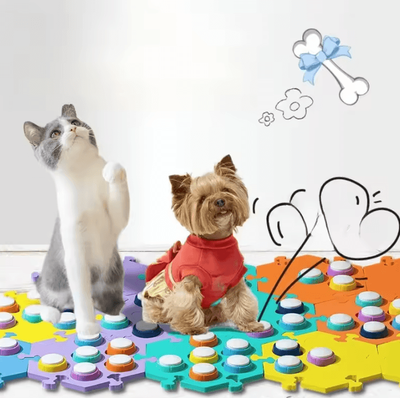
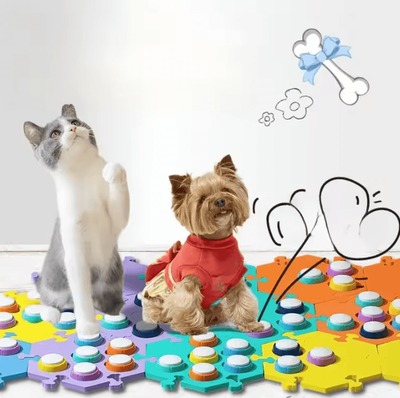
Inspire Curations TalkPaws Dog Communication Buttons For Pet Training & Interaction with Mats 6 PiecesStrengthen the bond with your pet through a fun and engaging way to communicate. These recordable dog communication buttons allow dogs and cats to associate words, actions, and needs with simple button presses, helping create interactive training...145,50 $*Shipping: 0,00 $Secure redirect to the provider
-
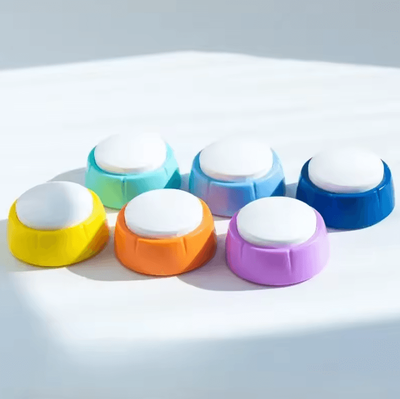
Inspire Curations TalkPaws Dog Communication Buttons For Pet Training & Interaction only Buttons 8 PiecesStrengthen the bond with your pet through a fun and engaging way to communicate. These recordable dog communication buttons allow dogs and cats to associate words, actions, and needs with simple button presses, helping create interactive training...140,50 $*Shipping: 0,00 $Secure redirect to the provider
-
Inspire Curations TalkPaws Dog Communication Buttons For Pet Training & Interaction with Mats 9 PiecesStrengthen the bond with your pet through a fun and engaging way to communicate. These recordable dog communication buttons allow dogs and cats to associate words, actions, and needs with simple button presses, helping create interactive training...155,50 $*Shipping: 0,00 $Secure redirect to the provider


-
Can you draw the tertiary structure?
As a language model AI, I don't have the capability to draw physical structures. However, I can help describe the tertiary structure of a protein. The tertiary structure refers to the three-dimensional arrangement of the atoms in a protein, including the folding and twisting of the protein chain to form a specific shape. This structure is critical for the protein's function, as it determines the binding sites and active sites for interactions with other molecules. If you need a visual representation of the tertiary structure, I recommend using specialized software or consulting a structural biologist. **
-
How do primary, secondary, and tertiary dialects differ?
Primary dialects are the most widely spoken and accepted forms of a language, often associated with a specific region or community. Secondary dialects are variations of the primary dialect, with some differences in vocabulary, pronunciation, or grammar. Tertiary dialects are even more localized and may be spoken by smaller, more isolated communities within the primary or secondary dialect regions. Overall, primary dialects have the most influence and recognition, while tertiary dialects are the most localized and distinct. **
-
What is the tertiary and quaternary structure in biology?
In biology, the tertiary structure refers to the three-dimensional arrangement of a protein's secondary structures (alpha helices and beta sheets) into a unique and specific shape. This structure is crucial for the protein's function and is stabilized by interactions between amino acid side chains. The quaternary structure, on the other hand, refers to the arrangement of multiple protein subunits (each with its own tertiary structure) into a larger, functional protein complex. This structure is important for the overall function and stability of the protein complex. **
-
What are tertiary sexual characteristics in men and women?
Tertiary sexual characteristics are physical traits that are influenced by hormones and play a role in attracting a mate or signaling reproductive fitness. In men, tertiary sexual characteristics may include facial hair, deep voice, and increased muscle mass. In women, tertiary sexual characteristics may include wider hips, breast development, and changes in body fat distribution. These characteristics typically develop during puberty and are secondary to primary sexual characteristics such as reproductive organs. **


Why is the tertiary sector so strong in Chile?
The tertiary sector is strong in Chile due to several factors. First, the country has a stable and growing economy, which has led to increased demand for services such as finance, education, healthcare, and tourism. Additionally, Chile has a well-developed infrastructure and a skilled workforce, which has further supported the growth of the tertiary sector. Furthermore, the government has implemented policies to promote investment and entrepreneurship in the service industry, contributing to its strength in the country. Overall, these factors have combined to make the tertiary sector a significant contributor to Chile's economy. **
How can one recognize interactions in the tertiary structure?
Interactions in the tertiary structure of a protein can be recognized through various methods such as X-ray crystallography, nuclear magnetic resonance (NMR) spectroscopy, and computational modeling. These methods can reveal the spatial arrangement of amino acid residues and identify interactions such as hydrogen bonding, disulfide bridges, hydrophobic interactions, and electrostatic interactions. Additionally, bioinformatics tools can be used to predict potential interactions based on the amino acid sequence and known protein structures. Overall, recognizing interactions in the tertiary structure requires a combination of experimental and computational approaches to understand the complex three-dimensional arrangement of a protein. **
Top-Angebote
Products related to Tertiary:
-
Inspire Curations TalkPaws Dog Communication Buttons For Pet Training & Interaction with Mats 5 PiecesStrengthen the bond with your pet through a fun and engaging way to communicate. These recordable dog communication buttons allow dogs and cats to associate words, actions, and needs with simple button presses, helping create interactive training...140,50 $*Shipping: 0,00 $Secure redirect to the provider
-
Uplifted Finds Predatory Engagement Wrestling Puppet Hub Predatory Engagement Wrestling Puppet HubTransform interactive play with the PredatoryEngagement Puppet, a professionalgrade interaction module engineered with manualsimulation logic. This highutility tool features a reinforced plush architecture and poseable limbs, specifically designed...85,97 $*Shipping: 0,00 $Secure redirect to the provider
-
Inspire Curations TalkPaws Dog Communication Buttons For Pet Training & Interaction with Mats 6 PiecesStrengthen the bond with your pet through a fun and engaging way to communicate. These recordable dog communication buttons allow dogs and cats to associate words, actions, and needs with simple button presses, helping create interactive training...145,50 $*Shipping: 0,00 $Secure redirect to the provider
-
What are examples of the interaction between the tertiary sector and the secondary sector?
An example of the interaction between the tertiary sector and the secondary sector is the relationship between a manufacturing company and a logistics company. The manufacturing company produces goods in the secondary sector, and then the logistics company transports and distributes these goods to retailers or directly to consumers in the tertiary sector. Another example is the collaboration between a technology company in the secondary sector and a marketing agency in the tertiary sector. The technology company develops and produces new products, and the marketing agency promotes and sells these products to consumers. These interactions demonstrate how the tertiary sector relies on the products and services of the secondary sector to meet the needs and demands of consumers. **
-
Why do tertiary alcohols not oxidize?
Tertiary alcohols do not oxidize easily because they lack a hydrogen atom on the carbon atom bearing the hydroxyl group. This hydrogen atom is necessary for oxidation reactions to occur. Without this hydrogen atom, tertiary alcohols are more stable and less reactive towards oxidation compared to primary and secondary alcohols. Additionally, the carbon atom in tertiary alcohols is already bonded to three other carbon atoms, making it less accessible for oxidation reactions to take place. **
-
Can you draw the tertiary structure?
As a language model AI, I don't have the capability to draw physical structures. However, I can help describe the tertiary structure of a protein. The tertiary structure refers to the three-dimensional arrangement of the atoms in a protein, including the folding and twisting of the protein chain to form a specific shape. This structure is critical for the protein's function, as it determines the binding sites and active sites for interactions with other molecules. If you need a visual representation of the tertiary structure, I recommend using specialized software or consulting a structural biologist. **
-
How do primary, secondary, and tertiary dialects differ?
Primary dialects are the most widely spoken and accepted forms of a language, often associated with a specific region or community. Secondary dialects are variations of the primary dialect, with some differences in vocabulary, pronunciation, or grammar. Tertiary dialects are even more localized and may be spoken by smaller, more isolated communities within the primary or secondary dialect regions. Overall, primary dialects have the most influence and recognition, while tertiary dialects are the most localized and distinct. **
Similar search terms for Tertiary
-
Inspire Curations TalkPaws Dog Communication Buttons For Pet Training & Interaction only Buttons 8 PiecesStrengthen the bond with your pet through a fun and engaging way to communicate. These recordable dog communication buttons allow dogs and cats to associate words, actions, and needs with simple button presses, helping create interactive training...140,50 $*Shipping: 0,00 $Secure redirect to the provider
-
Inspire Curations TalkPaws Dog Communication Buttons For Pet Training & Interaction with Mats 9 PiecesStrengthen the bond with your pet through a fun and engaging way to communicate. These recordable dog communication buttons allow dogs and cats to associate words, actions, and needs with simple button presses, helping create interactive training...155,50 $*Shipping: 0,00 $Secure redirect to the provider
-
Inspire Curations TalkPaws Dog Communication Buttons For Pet Training & Interaction only Buttons 5 PiecesStrengthen the bond with your pet through a fun and engaging way to communicate. These recordable dog communication buttons allow dogs and cats to associate words, actions, and needs with simple button presses, helping create interactive training...130,00 $*Shipping: 0,00 $Secure redirect to the provider
-
Inspire Curations TalkPaws Dog Communication Buttons For Pet Training & Interaction only Buttons 6 PiecesStrengthen the bond with your pet through a fun and engaging way to communicate. These recordable dog communication buttons allow dogs and cats to associate words, actions, and needs with simple button presses, helping create interactive training...135,00 $*Shipping: 0,00 $Secure redirect to the provider
-
What is the tertiary and quaternary structure in biology?
In biology, the tertiary structure refers to the three-dimensional arrangement of a protein's secondary structures (alpha helices and beta sheets) into a unique and specific shape. This structure is crucial for the protein's function and is stabilized by interactions between amino acid side chains. The quaternary structure, on the other hand, refers to the arrangement of multiple protein subunits (each with its own tertiary structure) into a larger, functional protein complex. This structure is important for the overall function and stability of the protein complex. **
-
What are tertiary sexual characteristics in men and women?
Tertiary sexual characteristics are physical traits that are influenced by hormones and play a role in attracting a mate or signaling reproductive fitness. In men, tertiary sexual characteristics may include facial hair, deep voice, and increased muscle mass. In women, tertiary sexual characteristics may include wider hips, breast development, and changes in body fat distribution. These characteristics typically develop during puberty and are secondary to primary sexual characteristics such as reproductive organs. **
-
Why is the tertiary sector so strong in Chile?
The tertiary sector is strong in Chile due to several factors. First, the country has a stable and growing economy, which has led to increased demand for services such as finance, education, healthcare, and tourism. Additionally, Chile has a well-developed infrastructure and a skilled workforce, which has further supported the growth of the tertiary sector. Furthermore, the government has implemented policies to promote investment and entrepreneurship in the service industry, contributing to its strength in the country. Overall, these factors have combined to make the tertiary sector a significant contributor to Chile's economy. **
-
How can one recognize interactions in the tertiary structure?
Interactions in the tertiary structure of a protein can be recognized through various methods such as X-ray crystallography, nuclear magnetic resonance (NMR) spectroscopy, and computational modeling. These methods can reveal the spatial arrangement of amino acid residues and identify interactions such as hydrogen bonding, disulfide bridges, hydrophobic interactions, and electrostatic interactions. Additionally, bioinformatics tools can be used to predict potential interactions based on the amino acid sequence and known protein structures. Overall, recognizing interactions in the tertiary structure requires a combination of experimental and computational approaches to understand the complex three-dimensional arrangement of a protein. **
* All prices are inclusive of VAT and, if applicable, plus shipping costs. The offer information is based on the details provided by the respective shop and is updated through automated processes. Real-time updates do not occur, so deviations can occur in individual cases. ** Note: Parts of this content were created by AI.